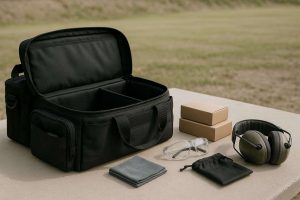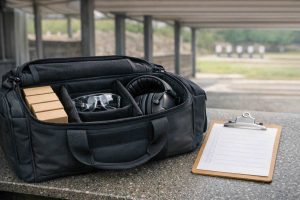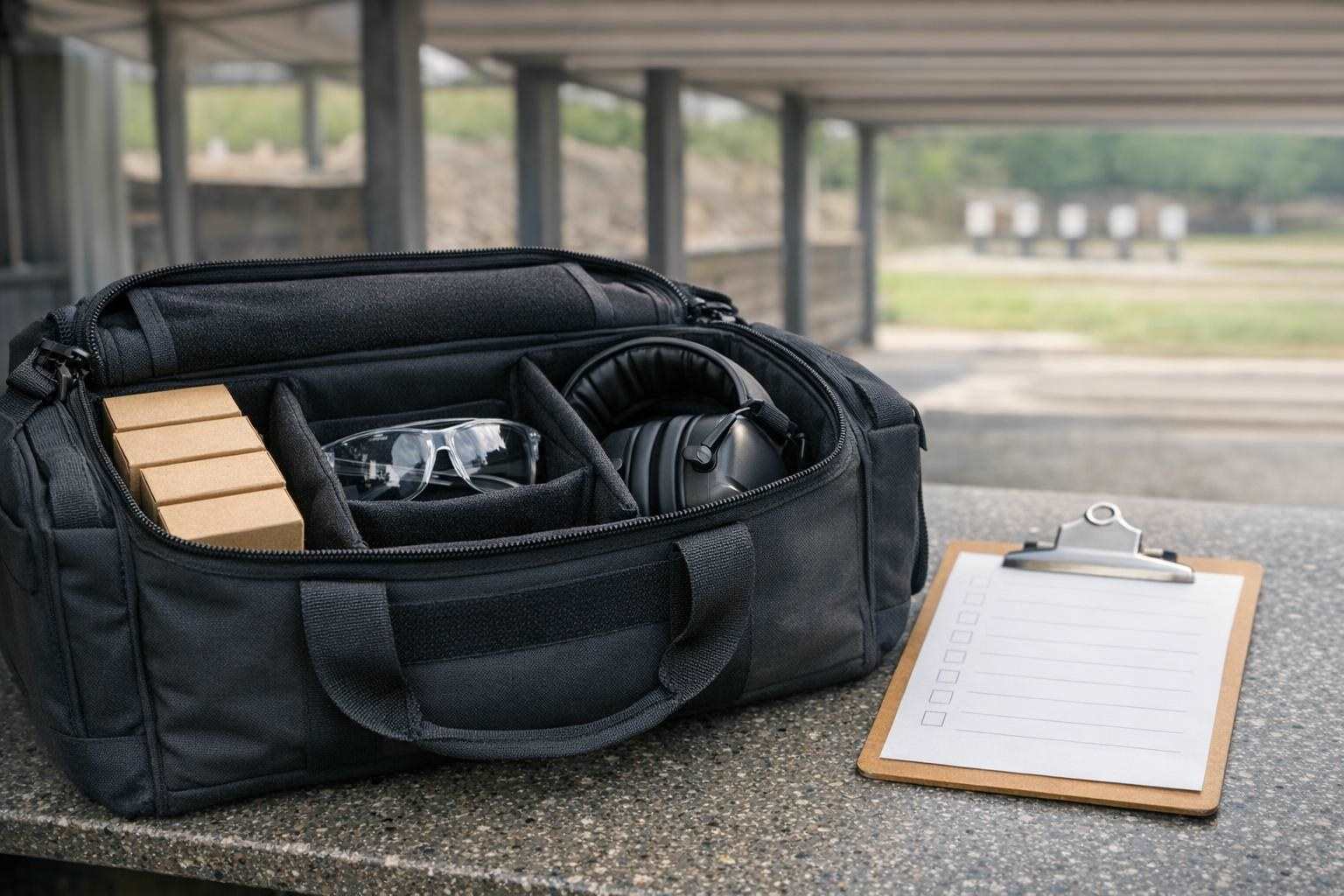
Make your range trip more meaningful by structuring your day around practice and avoiding creating a mountain of receipts. Inevitably, on a shooting day you will end up purchasing ammunition, range fees, transport, targets, food and the odd accessory. A simple budget for your shooting day outing can serve to highlight where your money is going and whether you can afford to go shooting as often as you would like. A simple budget can serve to define your shooting sports activity and help determine how often you should go shooting, what you should take with you and whether you should buy something now or later.
Start With the Costs You Can Name
Begin with the larger, somewhat predictable fixed costs that can be written down. We're talking here of the range fee, any membership-related charges that might apply, the cost of transportation to the range, any parking charges that might apply, targets and any other required safety equipment that the range might supply. Remember that requirements will vary at different shooting facilities. Check the current rules at the facility at which you intend to shoot.
This is also where the amount of ammunition that you will need to shoot can vary greatly from session to session. If looking for comparison purposes to establish a budget for future shooting sessions then make sure you are comparing like for like products i.e. purchase the same brand and model and the same quantity as you would intend to buy.
Then add a little extra for normal items you would buy on a trip such as water, snacks etc. This will help you to estimate the full cost of a trip to the range rather than just the shooting costs.
Separate Practice From Impulse Buying
The Range can quickly become the Gun Shop, if not carefully managed. Accessory items such as shooting bags, sight bubbles, etc can easily be added to the totals as you wander around the Pro Shops. Would you buy these items at home? No, you manage your range time for practice, not for impulse purchases.
Separate Practice from Impulse Buying. Build a list of the planned costs for your time at the shooting range. Include all of the necessary supplies. On the other hand, create a separate list for optional items such as accessories, equipment, and gear that you can purchase along the way. Make sure that these impulse buys do not take away from other necessary expenses.
For firearm accessories, ask three questions before buying:
– Does this solve a problem I have already identified?
– Is it compatible with the firearm and intended use?
– Can the purchase wait until I have compared specifications, fit and return terms?
So, just because something is an accessory, doesn't mean it's a safety improvement. Be very cautious of things that your manufacturer hasn't recommended and always follow the manufacturer's instructions for any modifications you make to your gun. Also, be aware of the potential affect to your gun's warranty.
Build the Session Around a Purpose
Create a plan for your range session, including what you intend to practice and shot types required. Determine what a supervised lesson would cost and compare that to spending all of your money on range time and ammunition. Check with the shooting facility for any rules or regulations, as well as what type of instruction they provide.
This activity should be treated similarly to long practice sessions. Keep the session brief enough so that by the end of it you will still feel that you have used your ammunition wisely. New shooters or those returning to shooting after a long absence will find that a lot of time can be spent Productively under the instruction of an experienced shooting instructor.
Create a plan with following points: Purpose of your range visit, Equipment to use, Ammunition to bring (also quantity), Targets you need, When to stop. You can go home whenever you like, you have already spent your money.
Track Ammunition Without Guesswork
The simplest of records can assist to identify where your range budget has been spent. A simple record is to note in a phone note or even hand-written paper log the firearm used, the type of ammunition used, the quantity of ammunition purchased and the quantity used.
A simple record such as a note on your phone or a log of your shooting sessions can show where your shooting budget is really being spent. This will also help when planning future shooting sessions.
Ammunition needs to be stored in line with the manufacturer's instructions as well as any local laws and required practices. Ammunition needs to be stored separately from Firearms and referred to in your safety plan. Ensure ammunition and Firearms are stored securely to prevent unauthorized access. Storage rules and required practices as well as relevant laws change regularly so always check the current requirements in your local area.
This also does not mean buy the cheapest ammunition to shoot. Even if it looks the same it may be made with cheaper materials, or the manufacturing process may be less strict. Check the manufacturer's website for the gun that you are looking to purchase to see what types of ammunition it can shoot. If you are still unsure then ask a professional to see if it is suitable for use in the firearm that you are looking to purchase.
Add Maintenance and Replacement Costs
And range day is not over once you have left the range. You also have to count the cost of cleaning agents, gun lubricants, batteries for guns that are equipped with accessories that require power and spare parts. You include these in your equipment allowance on a monthly or periodic basis.
For routine maintenance follow the manufacturer's instructions for the routine cleaning and inspection of your firearm, before and after use. If you notice any signs of damage, wear, loosening etc. do not attempt to repair the damage. Have the firearm inspected by a qualified person. Do not attempt to 'fix' a safety problem with an improvised repair.
Personal protective equipment such as gunsights, gloves, targets and ear muffs also have a use-by date. Check your shooting protective equipment for signs of wear and tear including any damage or deterioration, and make sure it is fitting properly before you go to the range.
Review the Budget After Each Visit
High and low spending needs to be recorded against planned session activities to refine future plans. It does not matter by how much the session spending cost more than had been expected and the reason needs to be noted and acted upon. Many unexpected costs are regular occasions for others.
Notes from your spending can then be used to update your next session to shoot for less money. Remember to decrease the quantity of ammunition you take to the range if there is left over. Be sure to establish a realistic allowance for accessories that can't be left at home. If transport is the biggest portion of your range spending then try to combine other errands that need to be done to avoid being rushed and to ensure that you are not carrying your firearms and/or ammunition in a way that could be in contravention to local laws and your own safety.
A budget to spend shooting needs to be simple enough to track in order to be of use. Keeping track of where you have spent your money at a shooting range can be as simple as a few categories, the session plan and a few notes after the session. That way you can make sure that you have enough to spend for the safe and effective practice of shooting at a range within your means.