Reinventing Your Range Bag: Making Sure Everything Is Safe and Easy to Handle
When you are getting ready for a day at the shooting range the main attention is usually on the guns and the bullets of the bag that holds them. A messy bag can cause problems like bullets mixing with wet cleaning supplies or used targets. To fix this having a reset routine helps keep everything in the place, which lowers the chance of mistakes and makes cleaning up easier. The goal is not to get things but to make sure that each item has a specific spot before during and after your time at the range.
Sort Your Bag Into Clear Sections
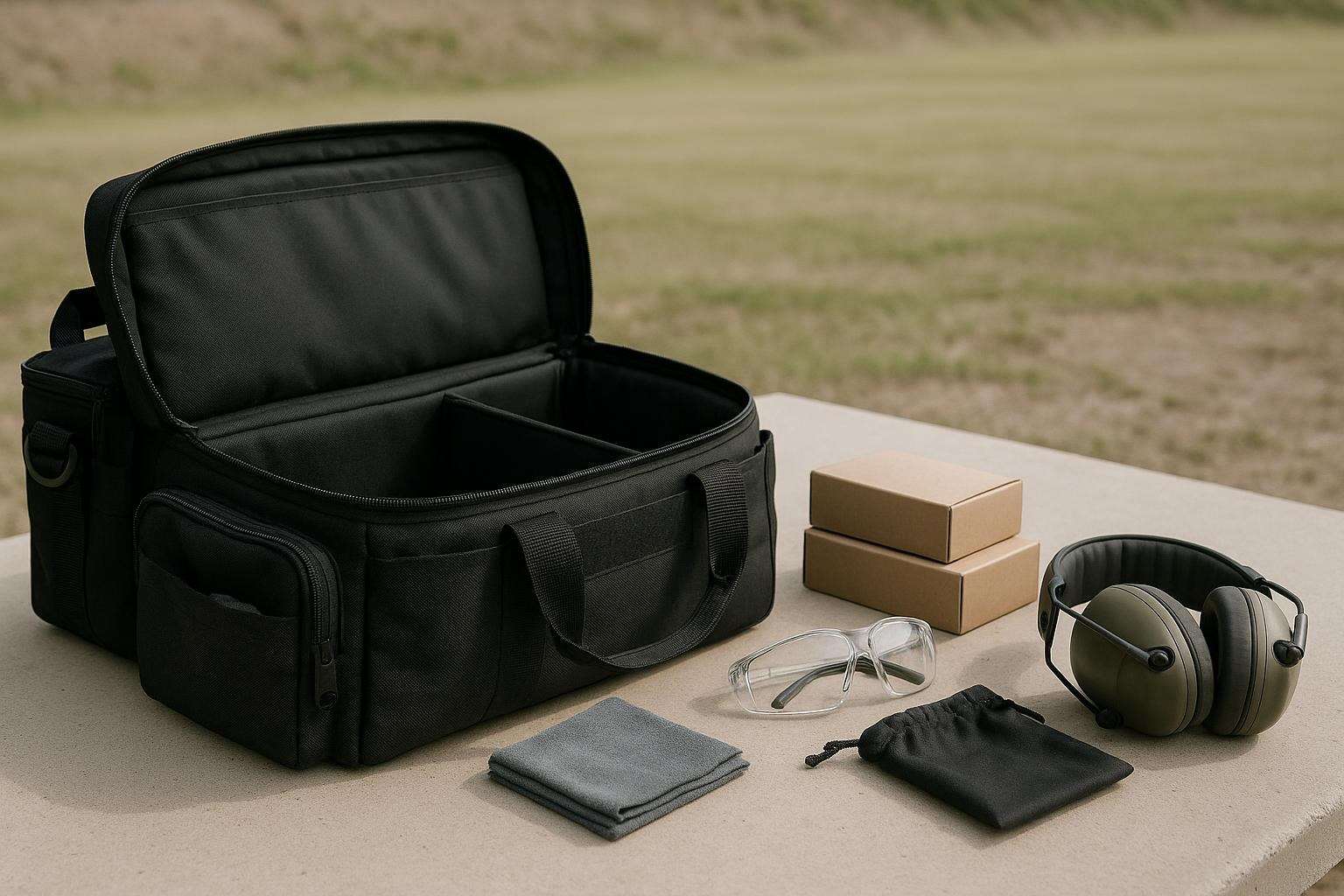
To avoid confusion think about dividing your range bag into three parts: one for your gun that is not loaded one for the bullets and another for wet or dirty things. You don't have to spend a lot of money on parts; a hard case for your gun, a safe container for bullets and a washable bag for things like used patches or targets will work.
This way of separating things becomes more important after you finish shooting when your attention might not be as sharp-empty boxes, ear protection and other small things can mix up easily. Keeping bullets in their boxes or in clearly marked containers not only helps with keeping things neat but also makes it easier to see if there is any problem like the wrong size or broken packaging before you go home.
It is important to keep the gun area closed when it is not being used to follow the rules and the policies of the range. Always check the recent rules from the right people and the range itself before you go out.
Make It Easy to Know What Your Bullets Are
When you arrive at the range you should be able to find your bullets. Use boxes that let you see the label on the bullet without having to search through a lot of boxes. Do not mix kinds of bullets in boxes that are not marked so you do not get confused. If you use containers that you can reuse make sure they have labels with details about the bullet.
After you come back from the range checking your bullets quickly is very important. Trying to remember what is in each box can lead to mistakes so keep a list of what you are taking home and check each bullet for any damage or strange marks. Bullets that have rust, dents or broken parts should be kept separate. It is safer not to try to shoot any bullets-ask a range expert or follow local rules for getting rid of them instead.
Using a container that is different for empty bullets can also help with keeping things neat as long as it is not mixed with live bullets. When you get home make sure to store the bullets you can still use in a dry place that is hard for others to get to. Plan to store the gun and the bullets to make sure both are safe and clear.
Choose the Right Boxes for Your Needs
Your choice of box should fit your needs. If you often have bullets that are not in order pick a bag that has a safe part for bullets. If you have things that get wet a box that can be taken out and washed should be a choice so you can air it out and clean it after your trips. If you often leave your gun in the bag long think about using a case that locks to add an extra step to your packing.
Soft bags are light and easy to carry. They are not very good at protecting against hits and wetness. Hard cases are better at protecting. They can be heavy and make you carry too much. Neither choice is perfect; what matters is that the box holds the gun stops people from getting it protects from weather and follows the rules where you live.
Be careful not to fill your bag with tools that are not needed for the shooting session. A lot of tools might hide bullets or make it harder to check if the gun is empty. Only use the things you really need for the day at the range for cleaning and for changes that follow the maker's rules.
Do a Quick Check Before You Leave
Making checks a part of your routine after you finish shooting helps avoid mistakes. Keep your list simple and easy to use:
– Make sure the gun has been checked and put into its container according to the makers instructions.
– Check that all bullets are labeled and kept away from cleaning things and used items.
– Put any unsure bullets aside instead of mixing them with good ones.
– Gather empty bullets, targets and other things in their special bag.
– When you get home put the gun and the bullets into a place right away.
– Let wet items dry completely before putting them into the bag.
Always follow the rules of the range when you are leaving because some places have steps for unloading or packing. If you are not sure about any step ask the staff for help of guessing.
Make the Reset Routine Part of Your Daily Life
The day doesn't end when you get into the car; it's important to keep doing the tasks at home. Find a place to work that is not distracting to check your gun following the instructions in its book. Look for any changes, like dirt, wetness or parts that may be broken. Cleaning can be different for each gun more cleaning is not always better-just make sure you are doing what the maker says.
Clean any gear that got wet from rain or humidity dry your bag and only put back the things you used. Fixing any tools or broken items early can stop problems from happening next time.
Finally this reset routine helps you decide if you need things. Before buying organizers or gear think about what is missing. If the new things do not help with seeing keeping things neat keeping things safe or cleaning up they may just add mess to your setup. Sticking with a system works better, than having a lot of things that don't have a clear purpose.